
Smart Lock Selection Guide for Accommodation Facilities
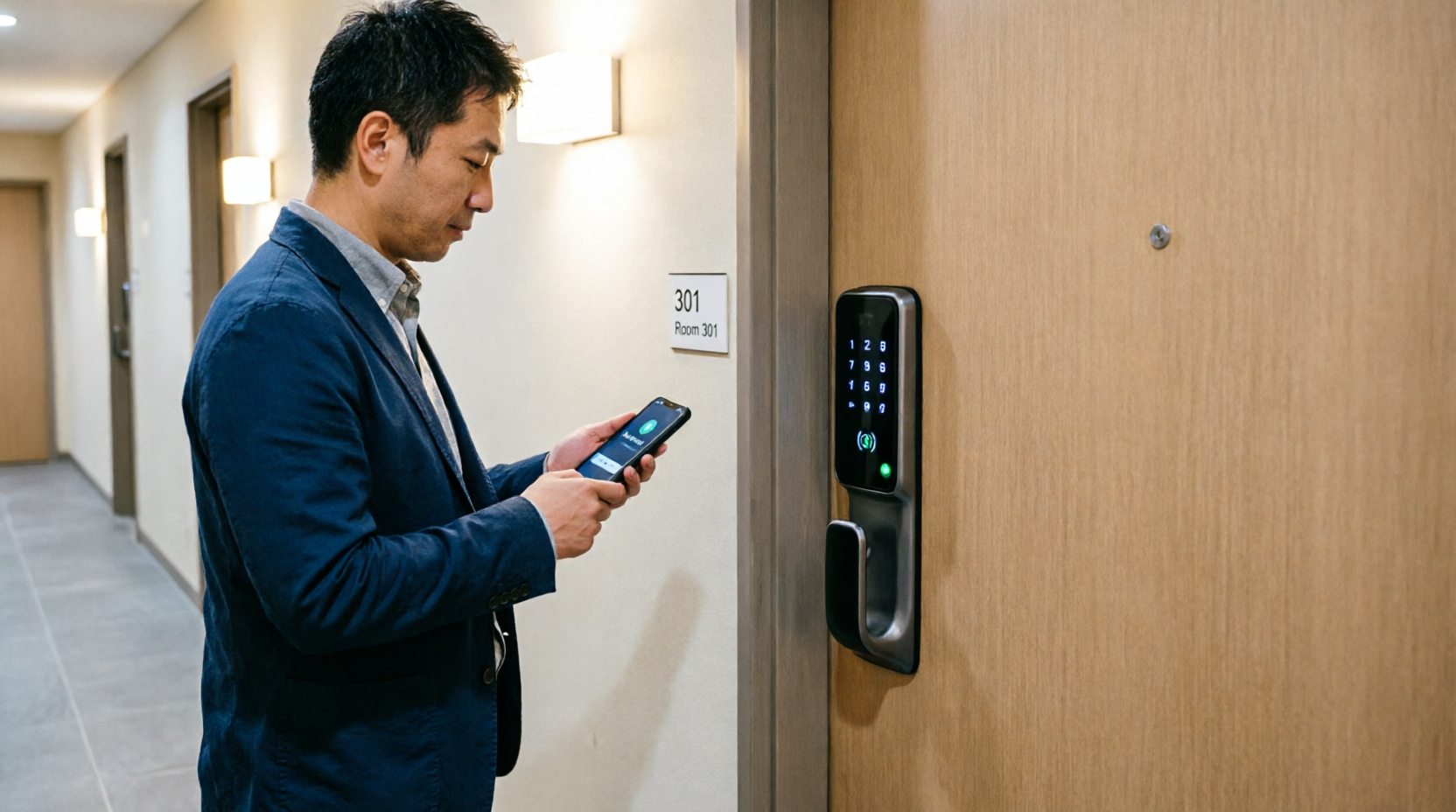
Smart locks have become essential technology for modern accommodation facilities. They enable keyless check-in, remote access management, and seamless integration with property management systems. Choosing the right smart lock for your property is a critical decision that affects guest experience, operational efficiency, and security. This guide covers the key factors to consider.
Keyless Entry and Guest Experience
The primary benefit of smart locks is eliminating physical key exchange. Guests can receive a digital code or smartphone-based key before arrival and check in without waiting for staff. This is particularly valuable for private lodging and self-check-in properties. When evaluating smart locks, consider the ease of generating and revoking codes, the range of access methods (PIN code, NFC, Bluetooth, smartphone app), and the user experience for guests of different ages and technical backgrounds.
Remote Management and Integration
Remote management capability allows you to grant access to cleaners, maintenance staff, and guests without being physically present. The ability to generate time-limited codes and monitor entry logs is essential for security and operational control. Integration with your Property Management System (PMS) or channel manager can automate code generation based on bookings — reducing manual work and preventing errors. Look for locks that offer open APIs or native integrations with the PMS platforms you use.
Battery Life and Reliability
Smart locks are battery-powered, and battery failure can lock guests out or leave properties unsecured. Evaluate battery life (typically 6-12 months depending on usage), low-battery alert systems, and emergency power options (such as a 9V battery terminal or USB-C backup). For properties with high turnover, consider locks with longer battery life or easy battery replacement procedures. A centralized monitoring dashboard that shows battery levels across all your properties is highly recommended.
Security Features
Security is paramount for any accommodation. Look for locks with encryption, tamper alerts, and audit trails that record every access event. Physical security — the lock's build quality, resistance to picking, and door alignment requirements — should meet or exceed standard hotel security expectations. Consider whether the lock needs to comply with Japanese fire safety regulations (e.g., doors must open from inside without a key). A smart lock that fails on safety compliance cannot be used in licensed accommodations.
For accommodation launch, operations, or investment — consult Kaisei
Consultations are free. Feel free to reach out.
Free Consultation